
Your needs, this model
Does it fit your priorities?
What does the fi-8930 FADGI package add beyond the scanner chassis?
PFU's current U.S. collection lists installation, calibration/verification support, operator training, a GoldenThread Device Level Target and one year of ScanCare Onsite Service. Its linked 2025 datasheet identifies package part CG01000-310224 but uses shorter inclusion wording and asks purchasers to call for options. Confirm the exact service scope and term on a current written quote; GoldenThread NXT analysis software is separate.
Explore this need in the finder →How does the fi-8930 bundle compare with the fi-8950 for large batches?
PFU lists the fi-8930 at up to 130 ppm/260 ipm in landscape with a 750-sheet ADF; the fi-8950 is rated up to 150/300 with the same published feeder capacity. The fi-8930 bundle's service package does not raise that scanner's speed or capacity. Compare rated ceilings only after confirming the host, application, document mix and service scope that matter to your workflow.
Explore this need in the finder →Can the bundle send scans to a cloud account without a computer?
That route is not established in the reviewed PFU sources. They document USB and Ethernet with computer-oriented capture drivers, not Wi-Fi, phone scanning or a computer-free cloud destination. Confirm the named host, capture application, network permissions and destination separately.
Explore this need in the finder →A named service bundle, not a different scanner mechanism
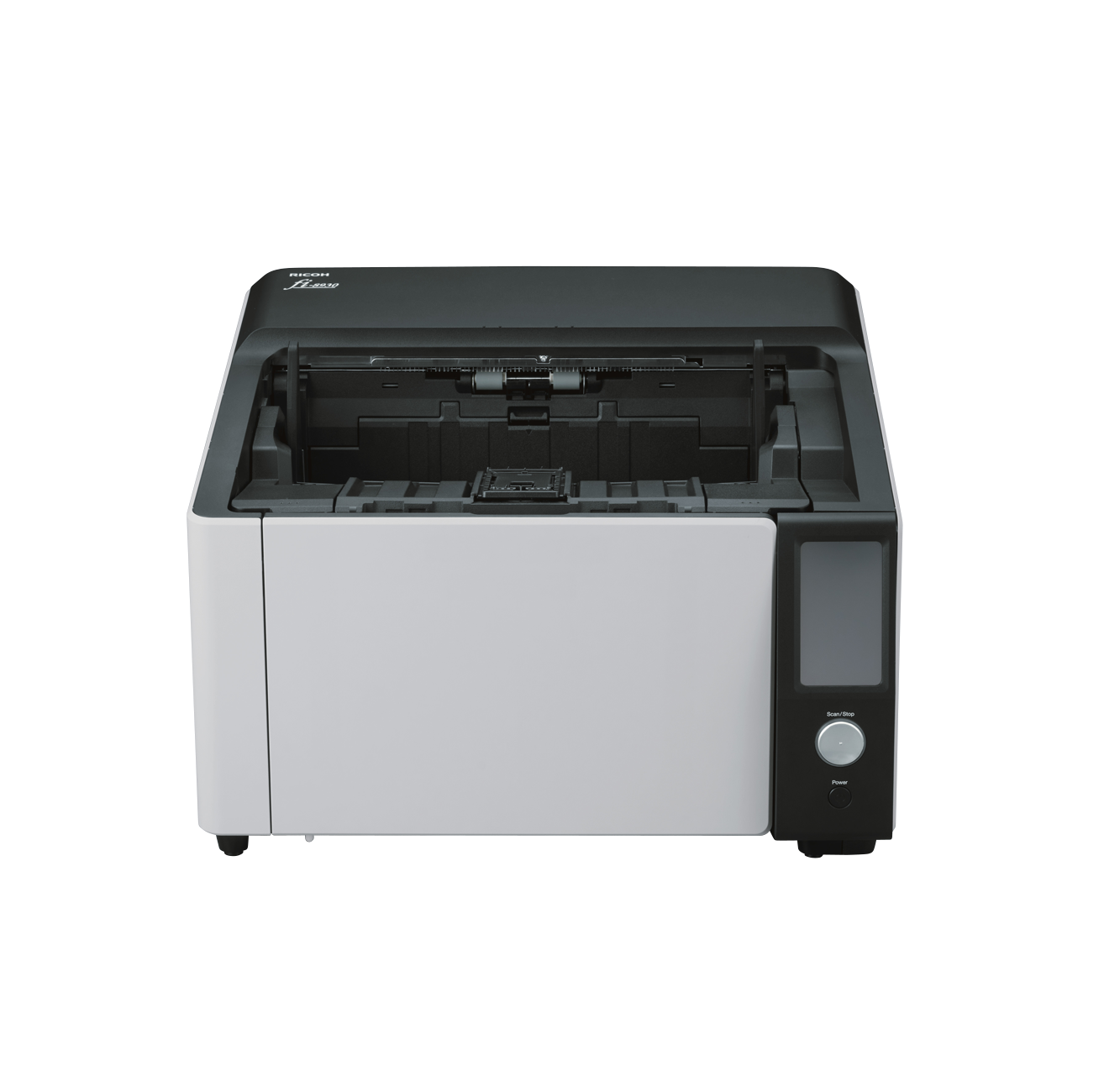
The fi-8930 FADGI bundle is best understood as a model-specific scanner package with an installation and verification-oriented service layer. PFU America's current FADGI collection lists the fi-8930 separately, while the linked U.S. datasheet dated February 3, 2025 identifies package part CG01000-310224. That separates this configuration from the standard fi-8930 and from earlier FADGI package descriptions. The current page describes onsite installation, calibration, verification support, operator training, a GoldenThread Device Level Target and one year of ScanCare Onsite Service. The dated PDF abbreviates the table inclusion as installation, training and ScanCare. Because those wordings are not identical, ask the seller to confirm the current contents and service period in writing against the exact part number.
There is a practical software caveat: PFU says GoldenThread NXT image-analysis software is sold separately. The dated bundle sheet also says analysis software should be installed before the service technician arrives. A target and a service visit do not, by themselves, mean your team has a licensed analysis application, a verified capture workflow or a completed conformance record. Confirm who supplies that software, what the onsite visit covers and what evidence your organization will retain.
Large-batch capture with a different speed ceiling
The bundle uses the same fi-8930 production scanner assessed in the standard-model listing: duplex capture, a 750-sheet ADF for specified Letter 20 lb or A4 80 g/m² stock, 600 dpi optical resolution, USB and Gigabit Ethernet, and a 4.3-inch touchscreen. PFU rates its landscape mode at up to 130 pages per minute and 260 images per minute under stated scan conditions. Those are manufacturer specifications, not an independent throughput test; paper mix, host system, application settings, image processing and quality checks all shape the time a real capture job takes. PFU also publishes an expected daily-volume figure, but explicitly frames the calculated number as a planning reference rather than guaranteed output or scanner durability.
The useful comparison is with other exact scanner arrangements, not with a generic speed ranking. PFU lists the fi-8950 at up to 150 ppm/300 ipm with the same 750-sheet feeder, and the fi-8820 at up to 120/240 with a 500-sheet feeder. The fi-8930 therefore retains the 750-sheet loading tier while giving up the fi-8950's higher rated ceiling; compared with the fi-8820, it pairs the higher listed speed with more feeder capacity. For a team processing large, consistent batches, fewer reloads may matter more than the nominal maximum. These ratings do not settle whether the extra speed or service package is worth the procurement cost for your actual documents.
Wired computer capture and route-specific originals
PFU documents USB and Ethernet connections plus TWAIN, TWAIN x64, ISIS and WIA interfaces for the fi-8930. That is a workstation or managed-network scanner, not a mobile-first device: the reviewed sources do not establish Wi-Fi, scanning from a phone or a direct computer-free cloud destination. Ethernet alone does not describe where files go. Confirm the supported host operating system, driver version, capture application, network permissions and final destination with whoever maintains the workflow; PFU says fi-series devices do not run on Windows 10 or 11 ARM-based PCs.
The fi-8930 is sheet-fed, not a flatbed. Its U-turn path is for ordinary supported ADF documents; a separate straight-through/manual route handles a different set of originals and thickness limits. PFU specifies envelopes up to 1.25 mm on the straight route, while the U-turn path has its own paper-weight limits. That distinction is valuable for occasional special originals, but it is not permission to put every fragile, curled, folded or unusually thick item through the regular feeder. Check the model guide for the exact original, and choose a flatbed or specialist process when the paper must remain supported and still.
FADGI capability is conditional on the whole process
PFU describes its fi-series bundles as capable of fulfilling FADGI Modern Textual Records requirements when calibrated accordingly and operated at rated speed. The FADGI guidelines define a narrower profile for modern textual records; photographs, bound volumes, maps, fragile originals and other materials can require different imaging methods or quality criteria. A scanner capability statement is not a blanket claim that every file from your office will conform. Your project still needs an appropriate target, settings, verification method, representative-original checks, metadata and a responsible records process. The current PFU page singles out the fi-8950 bundle for a Keypoint Intelligence evaluation; that model-specific report is not evidence that the fi-8930 bundle received the same test or that an organization's outputs are certified.
Who should consider it—and what to verify
This configuration is worth assessing when a digitization team wants a high-capacity wired production scanner alongside calibration support, operator instruction and a defined onsite service package for an MTR-focused workflow. It is a poor shortcut for an organization that has not established which record profile applies, expects the scanner to send files directly to cloud storage, or assumes bundled software will do all analysis and records validation. A routine duplex-to-PDF workflow may not need the added package services; a mixed archival collection may need a different capture setup entirely.
Finally, this is a research-based assessment of manufacturer documentation, not a hands-on test. PFU's bundle page presents a quote/contact route, and its model-level “Shop now” link reaches the underlying scanner page rather than a bundle-specific checkout. The dated sheet asks buyers to call for options. No current bundle price, stock, seller terms or package-specific online order was established here. Before a purchase request, confirm the exact fi-8930 part, hardware, service scope, software responsibility, installation location, renewal terms, host compatibility and acceptance criteria on a current written quote.
Key specifications
Key details at a glance
| Scanner class | Professional production sheet-fed scanner |
|---|---|
| Manufacturer-listed simplex rate | 130 ppm |
| Manufacturer-listed duplex image rate | 260 ipm |
| Automatic document feeder capacity | 750 sheets |
| Optical resolution | 600 dpi |
| Connection options | USB / Ethernet |
| Automatic duplex capture | Yes |
| Separate manual-feed route | Yes |
| Touchscreen | Yes |
| TWAIN driver documented | Yes |
Use the exact model’s instructions for operating limits, supplied equipment and version differences.
Sources for this review
Sources for this assessment
- PFU America: current FADGI-capable RICOH fi Series bundles
- PFU America: fi-8930 FADGI bundle datasheet (2025-02-03)
- PFU America: fi-8930 U.S. product page
- PFU America: fi-8950/fi-8930/fi-8820 Operator's Guide
- PFU/Ricoh Global: fi-8930 specifications (as of 2026-06-30)
- FADGI Technical Guidelines for Digitizing Cultural Heritage Materials, Third Edition
Compare the workflow before you choose
Use the finder to test your connection, paper and software requirements against the documented scanner arrangements.